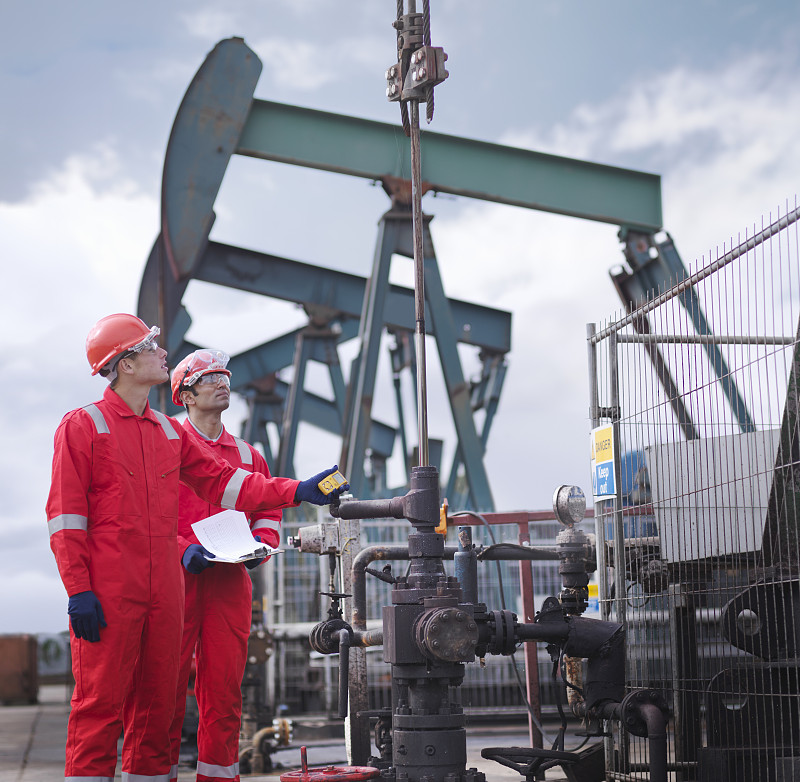

Explosion incident at Shandong Haiming Chemical Engineering Co., Ltd.: At 9:47 on March 18, 2015, an explosion occurred in the hydrogenation tower of the hydrogen peroxide unit at Shandong Haiming Chemical Engineering Co., Ltd. (hereinafter referred to as “Haiming Chemical”), located in Zhanhua District, Binzhou City, resulting in 4 deaths and 2 injuries, with direct economic losses amounting to 4.882 million yuan.
Analysis of the accident cause: Relevant personnel of the enterprise did not take effective isolation and replacement measures before entering the lower part of the hydrogenation tower for operation. The ball valve of the condensate drainage pipeline at the bottom of the tower and the internal leakage of the shut-off valve in the nitrogen inlet pipeline (i.e., the modified pure hydrogen inlet pipeline of the middle tower) allowed hydrogen to leak into the tower, where it mixed with the air entering from the upper manhole and exploded upon encountering an ignition source. Possible ignition sources: Ignition sources generated during the use of non-explosion-proof tools are one of the possible ignition sources. Operators carrying non-explosion-proof steel socket wrenches and steel tape measures into the tower may cause hydrogen explosions due to impact and friction during use. The use of non-explosion-proof electrical appliances is also one of the possible ignition sources. Operators carrying non-explosion-proof flashlights and mobile phones into the tower may cause hydrogen explosions due to sparking during use. Factors such as open flames, lightning strikes, and human arson were ruled out as causes of the explosion during the accident investigation.
Qingdao “11.22” explosion incident: At 10:25 on November 22, 2013, crude oil leaked from the Donghuang oil pipeline of the Pipeline Storage and Transportation Branch of China Petroleum & Chemical Corporation (Sinopec) located in the Qingdao Economic and Technological Development Zone in Shandong Province entered the municipal drainage culvert. The accumulated oil gas in the enclosed space of the culvert exploded when it encountered a spark, resulting in 62 deaths, 136 injuries, and direct economic losses of 750 million yuan.
Analysis of the accident cause: After the crude oil spill, the on-site personnel used a non-explosion-proof hydraulic breaker to drill holes on the cover plate of the underground pipeline, generating sparks that caused an explosion of oil gas inside the pipeline, leading to the occurrence of the explosion accident.
Jiangsu “7.28” explosion incident: The “7.28” explosion incident in Nanjing occurred on the morning of July 28, 2010. During the demolition process of the abandoned Nanjing Plastics Factory located in Qixia District, Nanjing, Jiangsu Province, the propylene pipeline was cut off, resulting in a large amount of flammable propylene leaking. At 10:11, the mixture of propylene and air exploded violently when it encountered an open flame. The explosion affected the adjacent roads and residential areas, causing heavy casualties.
Analysis of the accident cause: The on-site personnel operated in violation of regulations, cutting off the propylene pipeline, causing propylene leakage, which mixed with the air and exploded.
Tianjin Blowout Incident: On October 31, 2000, at around 10 a.m. in Dagang, Tianjin, a blowout occurred at Well 703 of the Dagang Oil Field. The wellhead pressure reached approximately 16 MPa, and the gas ejected was mixed with water, mud, and oil, containing hydrogen sulfide. A mist formed over the gas well, and the air emitted a peculiar smell. After the blowout occurred, due to the high wellhead pressure and the presence of flammable substances such as hydrogen sulfide in the air, it was difficult to control the blowout immediately. The emergency response team members decisively took emergency measures to prevent an explosion accident. Analysis of the reasons for avoiding the accident: The company had purchased a batch of explosion-proof tools from Hebei Zhuoxian Company before the accident, which played an important role in the emergency response process.
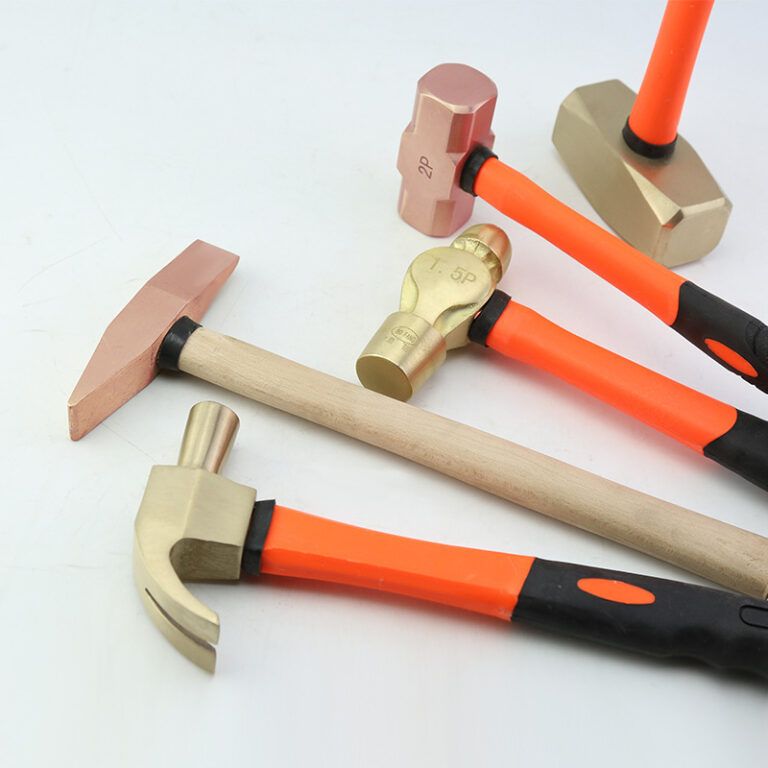
The use of explosion-proof management tools is a special type of safety equipment, inherently possessing the characteristic of not generating sparks during collisions or friction between the tool and the workpiece.
Most of the varieties and specifications are evolved from steel tools, except that they are made of copper-based multi-element nonferrous metals in terms of material. Some products are specially designed.
Therefore, there are certain requirements for usage methods, maintenance, storage, and transportation.
Only by fully understanding, reasonably selecting, correctly using, and properly storing it, can we fully leverage its various performance advantages.
Therefore, users should strictly adhere to the following precautions.
(1) Explosion-proof tools are a type of safety protective product, so users must purchase products that have been tested and certified as qualified by a nationally recognized explosion-proof performance testing unit.
When purchasing, it is important to carefully understand the scope of application, performance, characteristics, usage methods, and precautions specified in the instruction manual.
In addition, the tool body is usually marked with an “Ex” symbol and comes with a certificate of conformity.
Tools without marks cannot be purchased and used casually.